
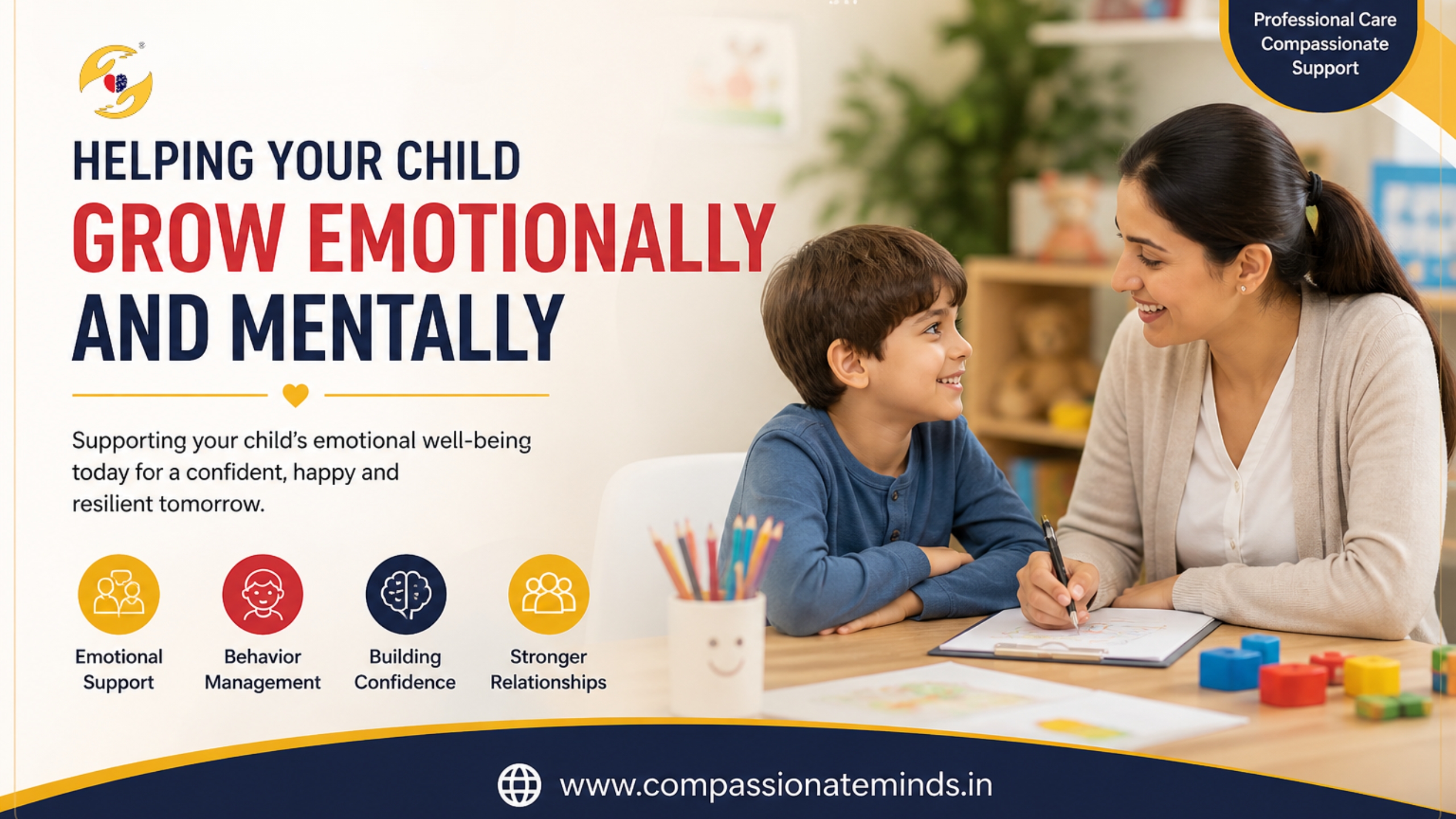
Helping Your Child Grow Emotionally and Mentally
Parenting in today’s fast-paced world brings both opportunities and challenges, especially when it comes to nurturing a child’s emotional well-being. While physical health and academic success often take priority, emotional development plays a silent yet powerful role in shaping a child’s future. Many parents today are becoming more aware of mental health, which is why consulting the Best Psychologist in Gurgaon is seen as a thoughtful step toward supporting a child’s overall growth.
Why Emotional Development Matters
Emotional development forms the foundation of how a child understands themselves and the world around them. It influences behavior, decision-making, and relationships. A child who is emotionally aware is more likely to handle challenges with confidence and communicate effectively.
When emotional needs are ignored, children may struggle with self-doubt, frustration, or difficulty in expressing themselves. Over time, these small challenges can turn into bigger concerns if not addressed early.
Signs Your Child May Need Support
Children often express emotions through behavior rather than words. Parents should stay attentive to noticeable changes that continue over time.
- Frequent mood swings or irritability
- Withdrawal from family or friends
- Sudden drop in academic performance
- Difficulty focusing or staying calm
- Changes in sleep or appetite
These signs are not always serious individually, but patterns should not be ignored.
Challenges Children Face Today
Today’s environment has introduced new emotional pressures that children may find difficult to manage on their own.
Academic expectations can create constant pressure to perform. Children may feel fear of failure or comparison, which affects their confidence. Social situations can also become overwhelming, especially when a child struggles to fit in or communicate comfortably.
At the same time, increased screen time has reduced real-life interaction. This can impact attention span and emotional connection with others. Children may feel more isolated even while being constantly connected online.
Role of Parents in Emotional Growth
Parents are the first source of emotional learning for a child. The way parents respond to situations teaches children how to react and cope.
- Listen without interrupting
- Acknowledge your child’s feelings
- Encourage open conversations
- Avoid harsh criticism or comparison
Simple and consistent efforts create a safe environment where children feel understood and supported.
When Professional Help Becomes Important
There are times when parental support alone may not be enough. This does not mean something is wrong with the child or parenting. It simply means additional guidance can help.
If a child’s behavior changes consistently, or emotional reactions become intense, it may be time to seek help. Early support can prevent long-term difficulties and help children build stronger coping skills.
How Therapy Supports Children
Child therapy is designed to be engaging and comfortable rather than formal or intimidating. It allows children to express emotions in ways that feel natural to them.
- Play-based activities to express feelings
- Art and storytelling for emotional clarity
- Behavioral techniques to build healthy habits
These methods help children understand and manage their emotions without pressure.
Building Emotional Strength
Emotional strength is not about avoiding problems but learning how to deal with them effectively. Children who develop emotional resilience are better prepared for life’s challenges.
They learn to manage frustration, adapt to changes, and recover from setbacks. This strength builds confidence and helps them grow into balanced individuals.
Everyday Habits That Make a Difference
Small daily actions can have a long-term impact on a child’s emotional well-being.
- Spend quality time without distractions
- Encourage physical activity and play
- Maintain a consistent routine
- Appreciate effort instead of only results
Consistency in these habits helps children feel secure and valued.
Creating a Supportive Environment
A child’s environment plays a crucial role in emotional development. Support from both home and school creates stability.
When parents and teachers work together, children receive consistent guidance. This makes it easier for them to adapt, learn, and grow with confidence.
Final Thoughts
Every child is different, and their emotional journey will be unique. What matters most is understanding their needs and supporting them with patience and care.
If you ever feel unsure or notice patterns that concern you, seeking guidance from a qualified Child Psychologist in Gurgaon can provide clarity and direction. With the right support, children can grow emotionally strong, confident, and ready to face life with balance.
 Mobile No. : +91-9151006808